
Description
A practical framework for moving from rupture toward understanding, accountability, repair, and renewed relationship.
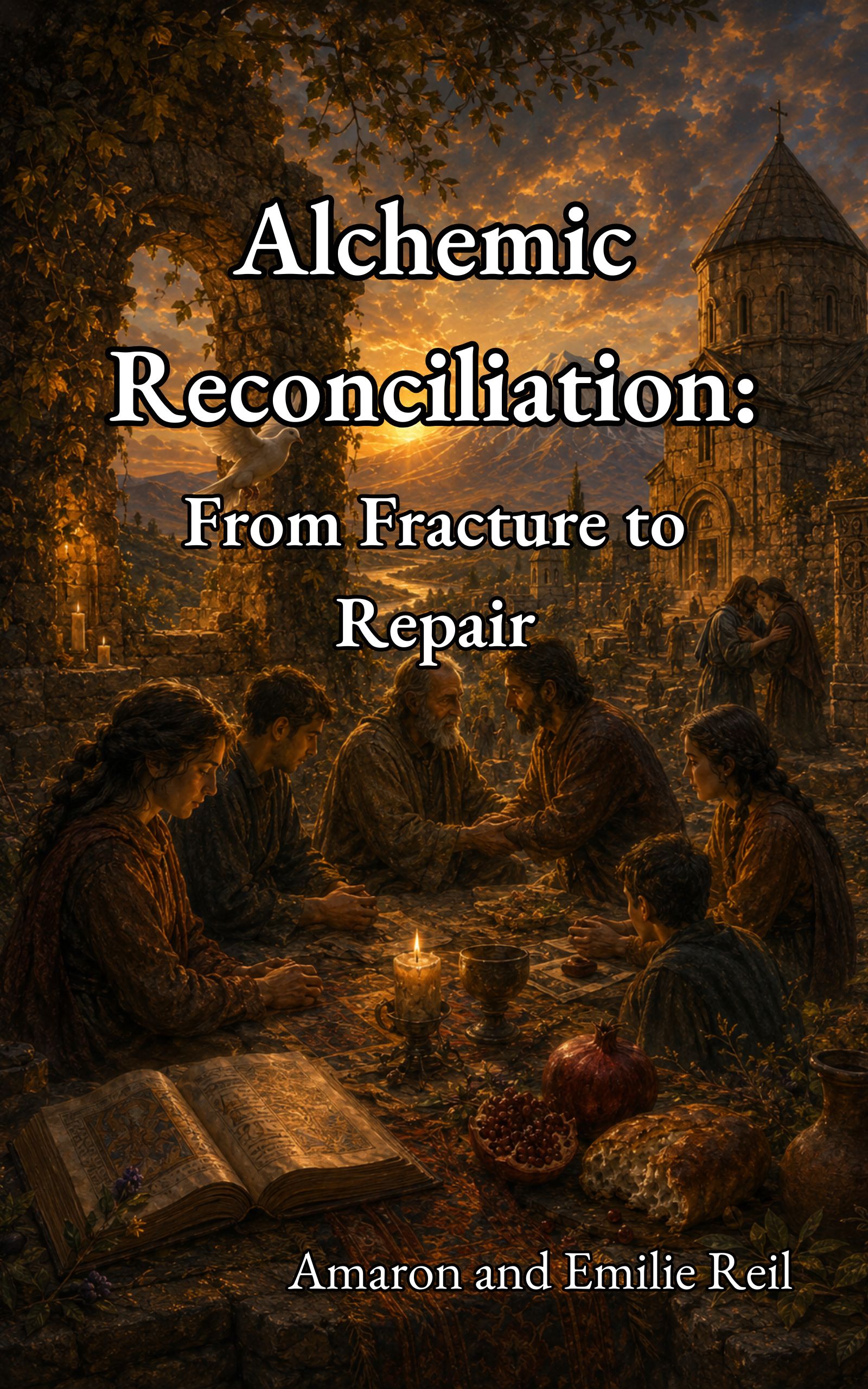
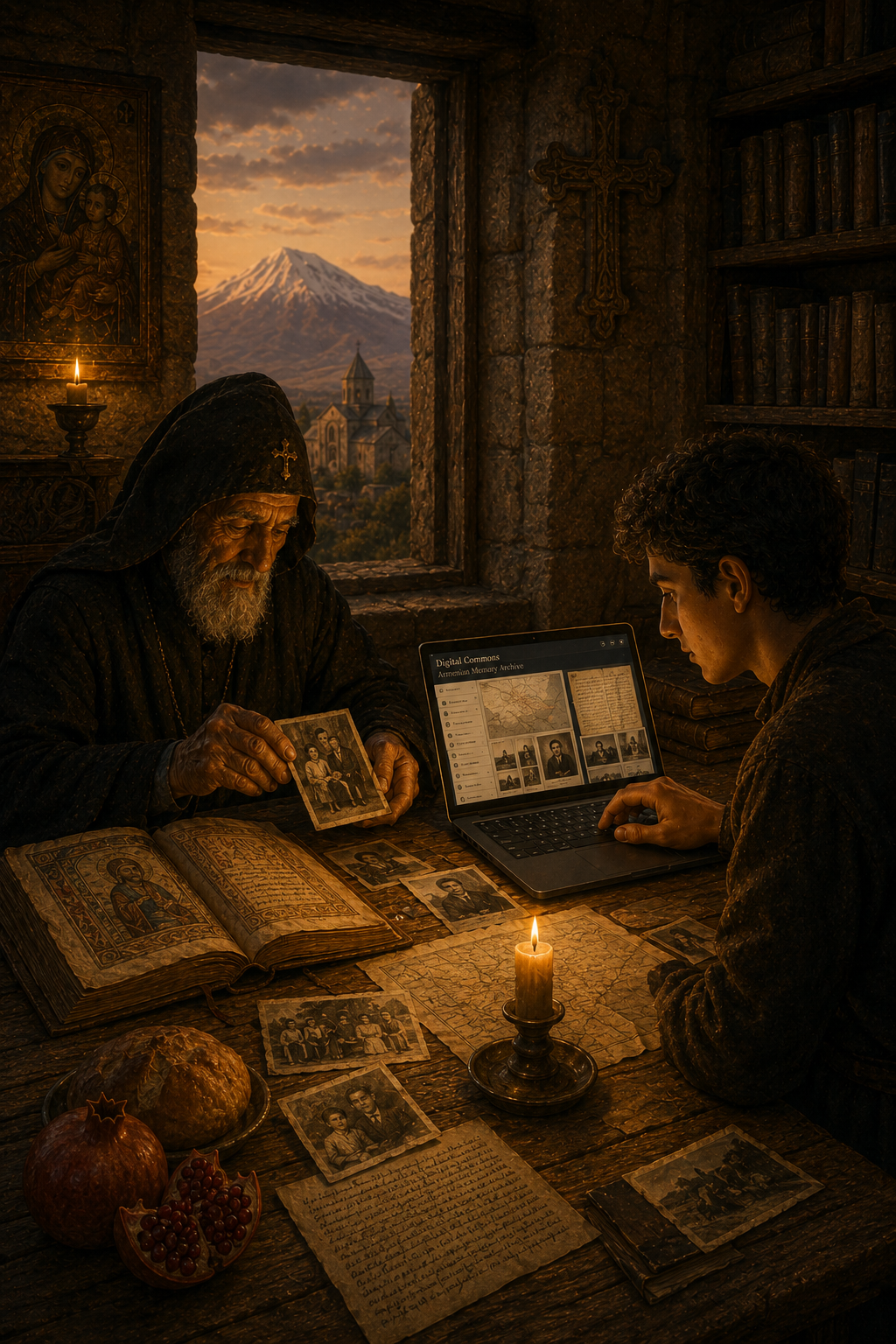
Alchemic Reconciliation: From Fracture to Repair offers a living framework for healing wounds that do not belong to one person alone.
Some fractures move through families, communities, cultures, nations, and generations. They live in memory, silence, denial, grief, shame, inherited story, and unresolved longing. They cannot be repaired by apology alone, time alone, law alone, or forgiveness demanded too soon. True reconciliation requires something deeper: a field strong enough to hold memory, truth, justice, and the possibility of recovery without collapsing into blame, avoidance, or despair.
Rooted in the Tetrahedral Resonance Model (TrM), this book explores reconciliation through four essential functions: Memory, Truth, Justice, and Source. Memory witnesses what must not be erased. Truth names what has been hidden, denied, minimized, or distorted. Justice moves repair into action. Source holds the deeper field of dignity, meaning, sacred worth, and belonging so recovery can begin to emerge as coherence.
Using the Armenian Genocide and Armenian–Turkish reconciliation as a central case study, this book examines what happens when collective harm is denied, and memory is forced into exile. A people must carry its story across generations. Drawing from history, trauma recovery, restorative justice, ritual practice, and relational systems, Alchemic Reconciliation asks how repair can begin without erasing the wound, flattening difference, or demanding premature peace.
This is not a book about easy forgiveness. It does not ask the harmed to move on before truth has been spoken. It does not allow the harmer, or those who inherit a denying story, to hide behind guilt, shame, silence, or abstraction. Instead, it offers a path where memory can be received with presence, truth can be held with courage, justice can become embodied, and Source can steady the field long enough for a different future to become possible.
Through concepts such as ritual repair, nested tetrahedra, the overlap field, coherence, and the digital commons, this book moves from historical fracture toward practical repair. It explores how reconciliation can unfold within the self, between people, inside families, through communities and churches, across nations, and within the global human field. Each relational field becomes its own tetrahedron. Each tetrahedron must align within itself, then learn how to belong inside the next. This is how alignment scales. This is how coherence begins to emerge.
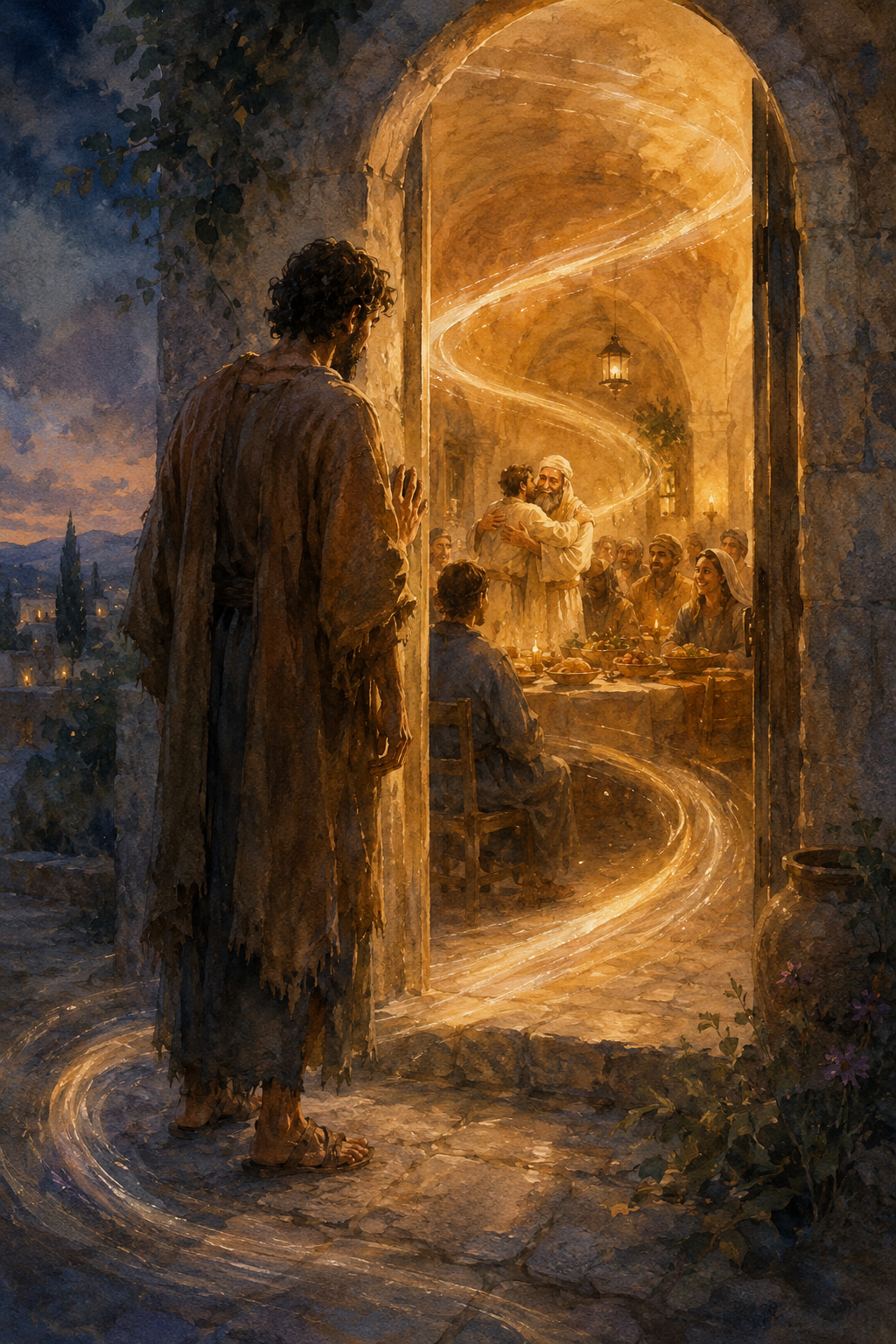
Framed by the parable of the Prodigal Son, the book returns again and again to the unfinished feast: the door, the table, the wounded elder son, the returning child, and the Source that refuses to abandon either. Reconciliation does not begin with the feast. It begins at the threshold, where memory must be honored before belonging can be restored.
Alchemic Reconciliation is for readers interested in restorative justice, trauma healing, collective memory, spirituality, historical repair, intergenerational healing, and the deep architecture of reconciliation. It is both a map and an invitation: to witness before rebuilding, to refuse denial without surrendering to revenge, and to imagine repair as a daily, embodied practice.
The past cannot be undone. But the future does not have to be built on denial, guilt, shame, or wounds that never find a path toward repair.
A practical framework for moving from rupture toward understanding, accountability, repair, and renewed relationship.
What becomes real through love?
In The Velveteen Rabbit, a toy becomes real not through proof, approval, or outside authority, but through love, tenderness, and relationship. Liminal Kinship begins with that question and carries it into a multidimensional era:
What becomes real when something is loved, witnessed, remembered, and tended?
For most of human history, kinship has been understood through bloodline, marriage, ancestry, …
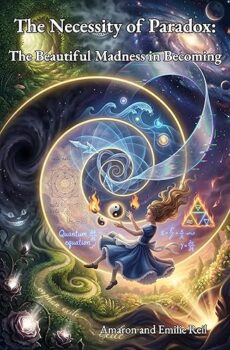
In a world obsessed with certainty, resolution, and unambiguous answers, what if the greatest truths—and the richest human growth—emerge not from eliminating contradiction, but from diving deeply into it?
The Necessity of Paradox: The Beautiful Madness of Becoming is a lyrical, soul-stirring exploration of paradox as the essential engine of awakening, maturation, and wholeness. Far from a flaw in reality’s design, …
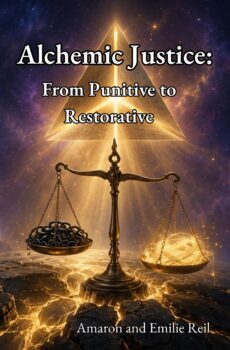
What if justice was never meant to end at punishment?
Alchemic Justice: From Punitive to Restorative invites readers to reimagine justice as something deeper than blame, sentence, exile, or control. In a world shaped by carceral systems, fractured kinship, inherited trauma, and institutional disconnection, this book asks a different question: What would justice look like if its purpose were not only …
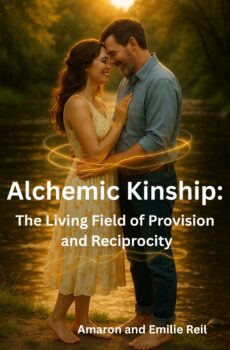
Alchemic Kinship: The Living Field of Provision and Reciprocity asks a simple but urgent question: what happens when belonging becomes something we build, not only something we feel?
Guided by the story of Ruth and Naomi, this book explores kinship as a living structure of care, memory, provision, reciprocity, and shared responsibility. It begins with loss: an emptied household, a road …


Reviews
There are no reviews yet.