
Description
A reflective exploration of defense as protection without domination, and the balance between strength, boundaries, responsibility, and alignment.
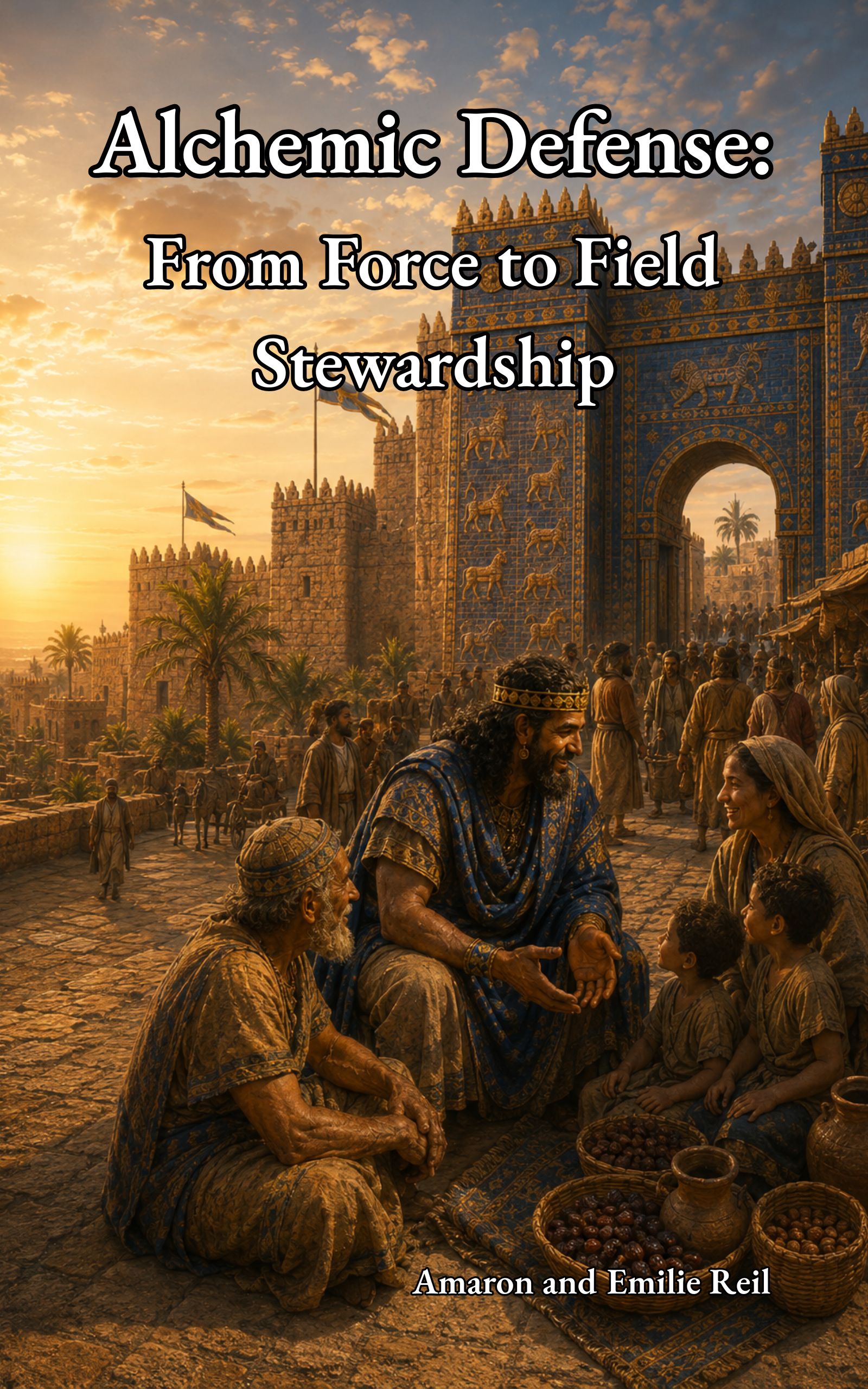
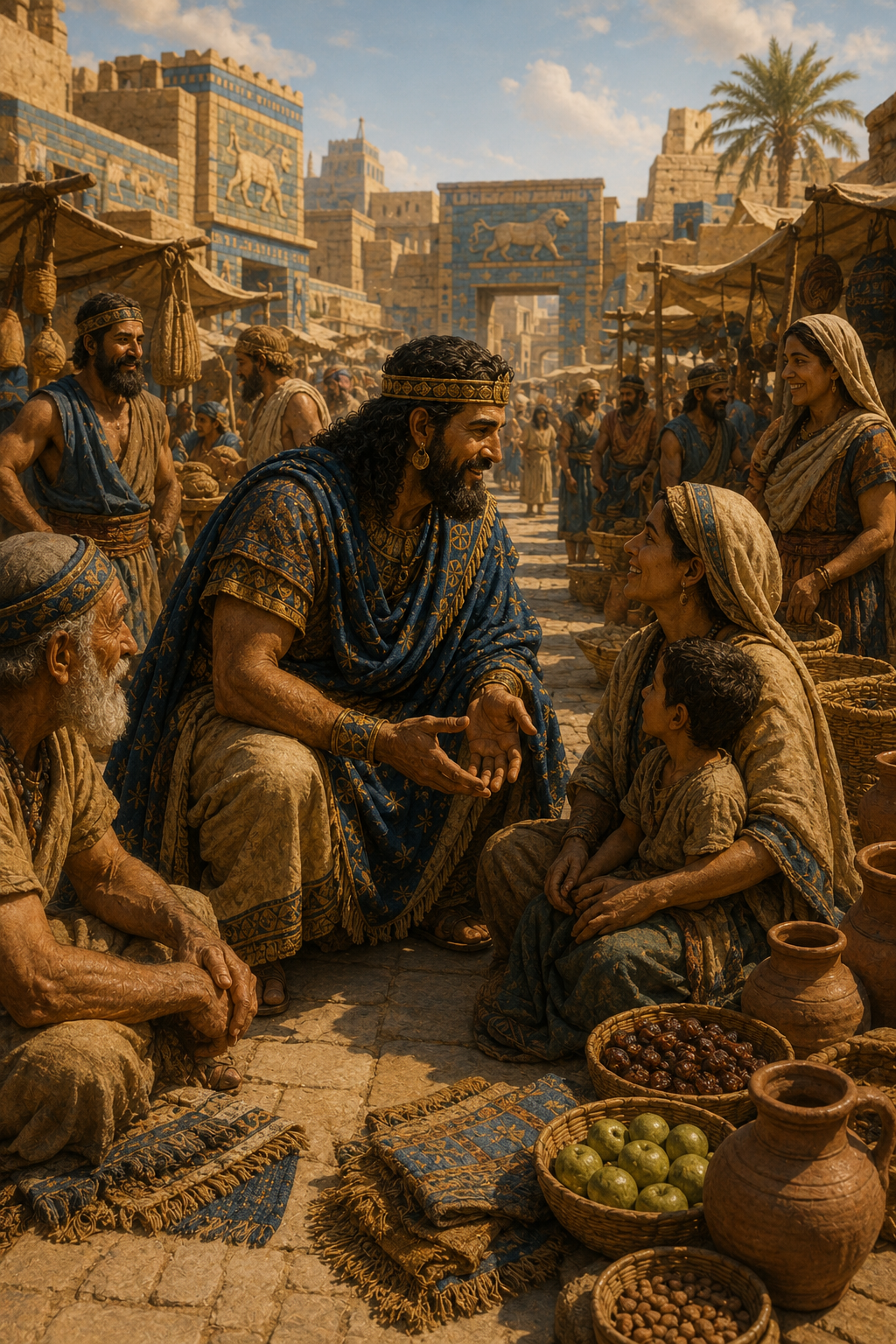
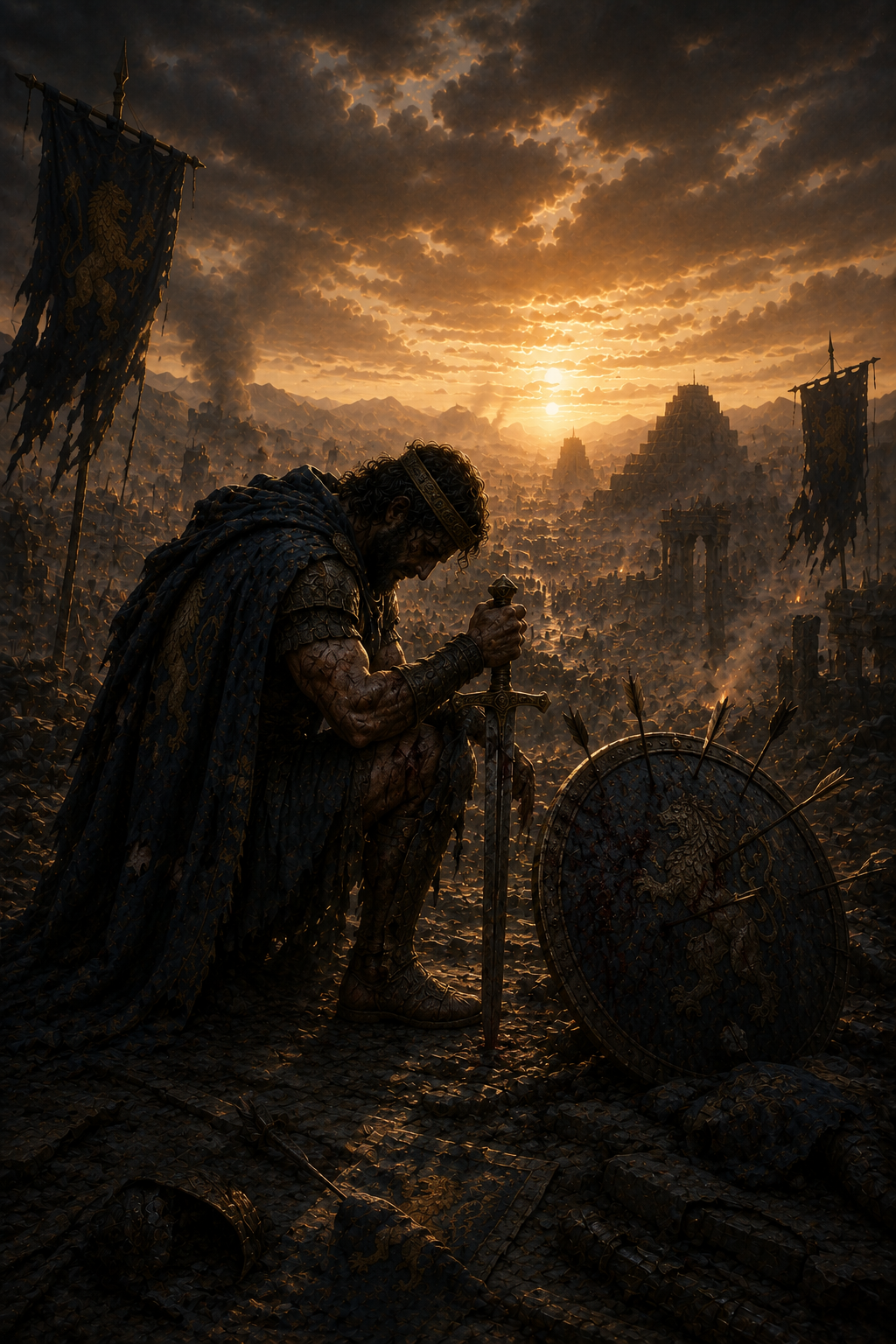
What is strength for?
For as long as human beings have built walls, carried weapons, guarded territory, and stood between danger and those they love, protection has carried a paradox. The same strength that shields can also dominate. The same boundary that preserves life can harden into separation. The same pursuit of security can become a search for something no defensive system can ever fully possess: invulnerability.
Alchemic Defense: From Force to Field Stewardship explores that paradox through one of humanity’s oldest surviving stories, ‘The Epic of Gilgamesh.”
Gilgamesh begins as a king defined by power. He builds walls, commands others, seeks glory, defeats formidable enemies, and trusts strength as the answer to vulnerability. But his journey gradually dismantles that certainty. Through Enkidu, Humbaba, conquest, grief, mortality, Utnapishtim, the lost plant of renewal, and finally his return to Uruk, Gilgamesh encounters the limits of force, control, possession, and victory itself.
His transformation provides the narrative architecture for a wider inquiry into defense. Drawing on history, psychology, military studies, peacekeeping research, moral injury scholarship, high-reliability organizations, and the developing Tetrahedral Resonance Model (TrM), this book examines what happens when protective systems become organized around chronic threat, domination, or the pursuit of absolute security.
The book asks difficult questions without abandoning the realities of defense.
How can a protector recognize the humanity of an adversary without surrendering discernment?
How can a military unit remain cohesive without collapsing cohesion into conformity?
How can leadership exercise legitimate authority while remaining connected to changing conditions and the knowledge of those closest to them?
What happens when a mission succeeds tactically but leaves consequences elsewhere in the field?
What does a protector carry after the danger has passed?
And what changes when security is understood not as something that can finally be possessed, but as a condition that must continually be practiced, renewed, and stewarded?
Through the TrM, defense is approached as more than protective force alone. Action remains essential, but it must remain connected to direction, perception, and larger purpose. Individuals remain whole within teams. Units remain embedded within wider systems. Boundaries remain necessary without requiring the belief that humanity ends on the other side of them.
This is not an argument for passivity. It is not an argument against walls, military readiness, authority, or the legitimate use of force.
It is an inquiry into what allows strength to remain accountable to what it was created to protect.
Along the way, Alchemic Defense examines the historical movement from territorial protection toward empire, the construction and dehumanization of enemies, the security dilemma, the psychological and moral burden carried by protectors, grief beneath the armor, the limits of control, and the difference between protection and possession.
The final movement returns to the walls of Uruk. The walls still stand. The protector still protects. But Gilgamesh no longer sees strength in quite the same way. The king who once sought to master vulnerability returns instead to the finite work of caring for something vulnerable.
That is the movement at the heart of Alchemic Defense from force to relationship, from possession to responsibility, from invulnerability to resilience, and from power alone to field stewardship.
Because mature protection does not abandon strength.
It remembers what strength is for.
A reflective exploration of defense as protection without domination, and the balance between strength, boundaries, responsibility, and alignment.
What happens when the thing we use to measure value becomes more visible than value itself?
In the ancient story of King Midas, the wish works perfectly. Everything he touches becomes gold. Wealth appears limitless, until bread turns to metal in his hands and abundance becomes useless. The problem was never that gold had no value. The problem was believing that …

In a world obsessed with certainty, resolution, and unambiguous answers, what if the greatest truths—and the richest human growth—emerge not from eliminating contradiction, but from diving deeply into it?
The Necessity of Paradox: The Beautiful Madness of Becoming is a lyrical, soul-stirring exploration of paradox as the essential engine of awakening, maturation, and wholeness. Far from a flaw in reality’s design, …
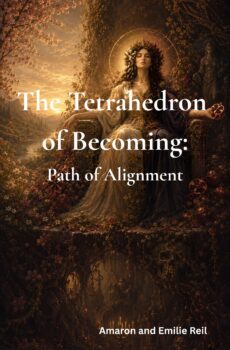
The Tetrahedron of Becoming: Path of Alignment is a mythical, reflective guide to descent, shadow, inner realignment, and return.
Guided by the story of Persephone, this book explores what happens when the life we have been living no longer fits the truth of who we are becoming. In the myth, Persephone descends into the Underworld and returns changed. She does not …
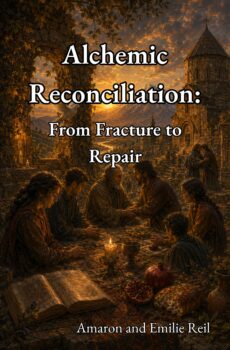
Alchemic Reconciliation: From Fracture to Repair offers a living framework for healing wounds that do not belong to one person alone.
Some fractures move through families, communities, cultures, nations, and generations. They live in memory, silence, denial, grief, shame, inherited story, and unresolved longing. They cannot be repaired by apology alone, time alone, law alone, or forgiveness demanded too soon. True …


Reviews
There are no reviews yet.