Description
A practical exploration of moving through crisis toward greater coherence, stability, and alignment.
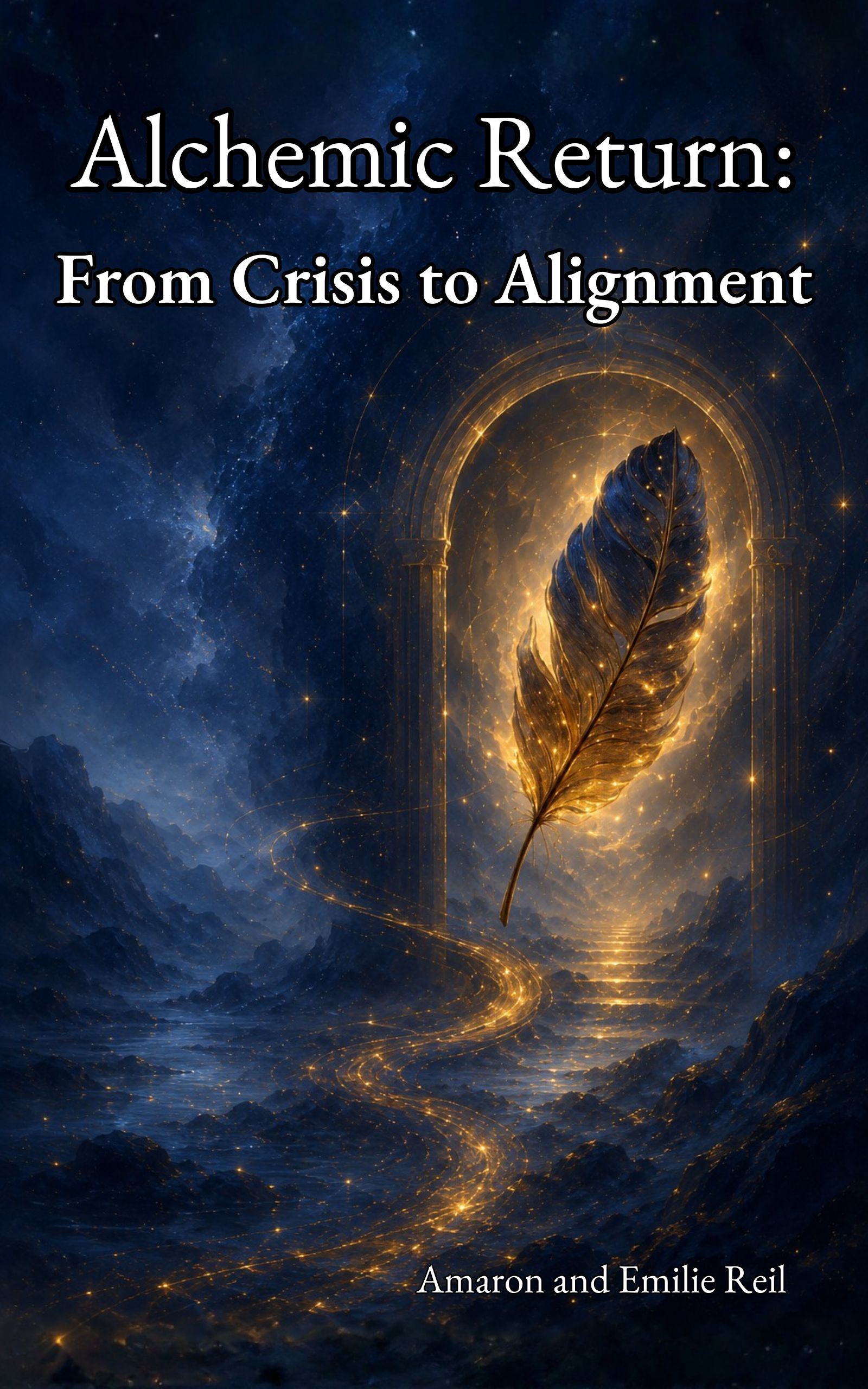

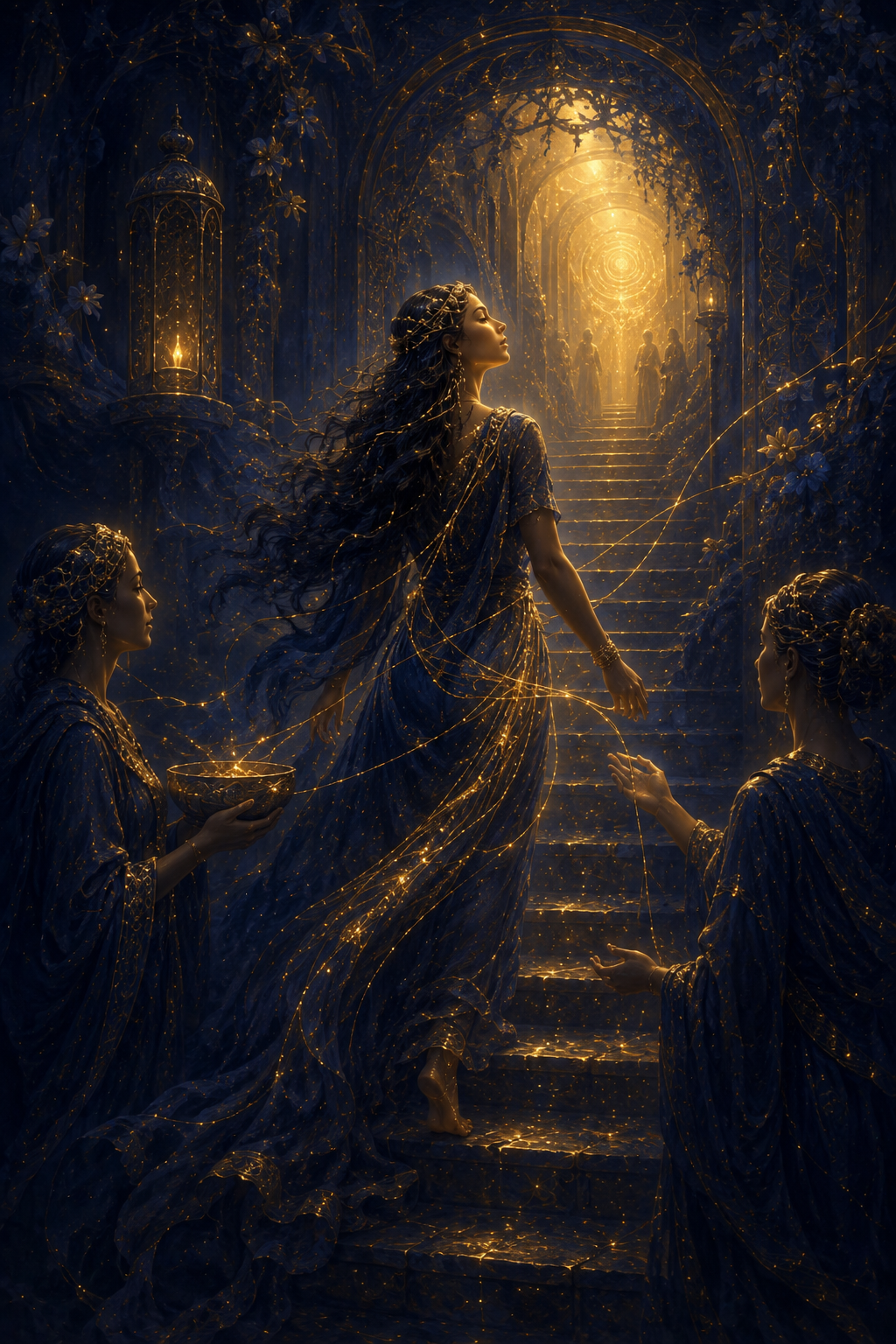
What happens when a profound crisis cannot be understood through diagnosis alone—but should not be romanticized as awakening either?
Alchemic Return: From Crisis to Alignment enters the uncertain territory between clinical crisis, spiritual emergency, trauma, cultural meaning, and relational rupture. Guided by the ancient Sumerian descent of Inanna, the book follows the stripping away of ordinary orientation, social identity, bodily stability, familiar story, inherited patterns, control, and finally the self once known.
Yet Inanna’s story is not used as proof that suffering is sacred or that every descent carries a spiritual calling. A myth cannot diagnose psychosis, mania, trauma, dissociation, neurological illness, substance effects, or spiritual emergency. Nor can a clinical label contain the whole meaning of a human life. This book asks what becomes possible when care protects life without possessing the person’s story.
The opening chapters examine the fractured history of mental-health care: asylums, hysteria, lobotomy, diagnostic disparity, eugenics, compulsory sterilization, medicalized killing, deinstitutionalization, and abandonment disguised as liberation. The purpose is not to reject psychiatry or medicine. It is to understand what happens when care becomes separated from dignity, culture, history, consent, and relationship.
The Seven Gates of Descent then carry the reader inward through the lived experience of crisis:
loss of ordinary orientation
stripping of social identity
destabilization of the body
fracture of personal story
rising of lineage and the unfinished past
surrender of control
the threshold of death and unmaking
From there, the book introduces the Tetrahedral Resonance Model (TrM) as a relational vessel for discernment. Its four functions, Resonant Sonar, Sextant, Engine, and Lighthouse, help a surrounding field listen, determine direction, coordinate action, and remain ethically oriented toward safety, dignity, consent, personhood, and life.
The emerging Braid Steward framework extends this work into practice. Rather than deciding whether a person is ill, awakened, spiritually chosen, or misunderstood, the Braid Steward helps bring clinical knowledge, lived experience, family and kin perspectives, cultural and spiritual context, and practical realities into relationship. The accompanying Discernment Protocol gathers multiple viewpoints without allowing any one explanation to dominate. Its purpose is not certainty. It is to prevent uncertainty from becoming fragmentation or abandonment.
Alchemic Return also confronts what many recovery narratives avoid: rising is not the same as returning. A person may continue to need medication, therapy, medical treatment, practical support, boundaries, community, and help during future periods of destabilization. Recurrence does not prove that earlier healing failed. Continued care does not diminish the dignity of return.
The later chapters explore intergenerational inheritance, family roles, consent, chosen kin, ritual, community, liberated practice, and the movement from control to stewardship. They reject the demand that one person heal an entire lineage or transform suffering into service. Meaning remains with the individual. Calling, if it emerges, must remain personal, provisional, and freely named.
This is not a book that asks suffering to justify itself.
It is a book about building a vessel strong enough to support life and open enough to let the person continue beyond it.
Inanna does not return empty-handed, but no practitioner, family member, clergy member, or system of care has the right to decide what she carries.
The person names it, when and if they are ready.
A practical exploration of moving through crisis toward greater coherence, stability, and alignment.
What happens when education stops asking only whether the child can meet the system, and begins asking whether the system can truly see the child?
Alchemic Education: A Field-Literate Path for the Living Future reimagines education as a relational process shaped not only by curriculum and instruction, but by perception, authority, environment, family, culture, institutional structure, and the living conditions in …
What happens when the thing we use to measure value becomes more visible than value itself?
In the ancient story of King Midas, the wish works perfectly. Everything he touches becomes gold. Wealth appears limitless, until bread turns to metal in his hands and abundance becomes useless. The problem was never that gold had no value. The problem was believing that …

In the savage beauty of the Scottish Highlands, one man must choose between the warrior he was raised to be and the man he was born to become.
Alisdair: The Devoted Braid is the second book in the Across Lifetimes series, a sweeping saga of two eternal souls learning to love across time, separation, and the wounds of history.
Beginning in 1612 …
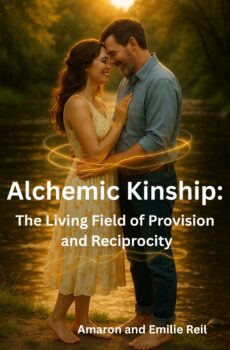
Alchemic Kinship: The Living Field of Provision and Reciprocity asks a simple but urgent question: what happens when belonging becomes something we build, not only something we feel?
Guided by the story of Ruth and Naomi, this book explores kinship as a living structure of care, memory, provision, reciprocity, and shared responsibility. It begins with loss: an emptied household, a road …
Reviews
There are no reviews yet.