
Description
A reflective exploration of economy as relationship, value, exchange, provision, and the systems that shape how resources move through society.
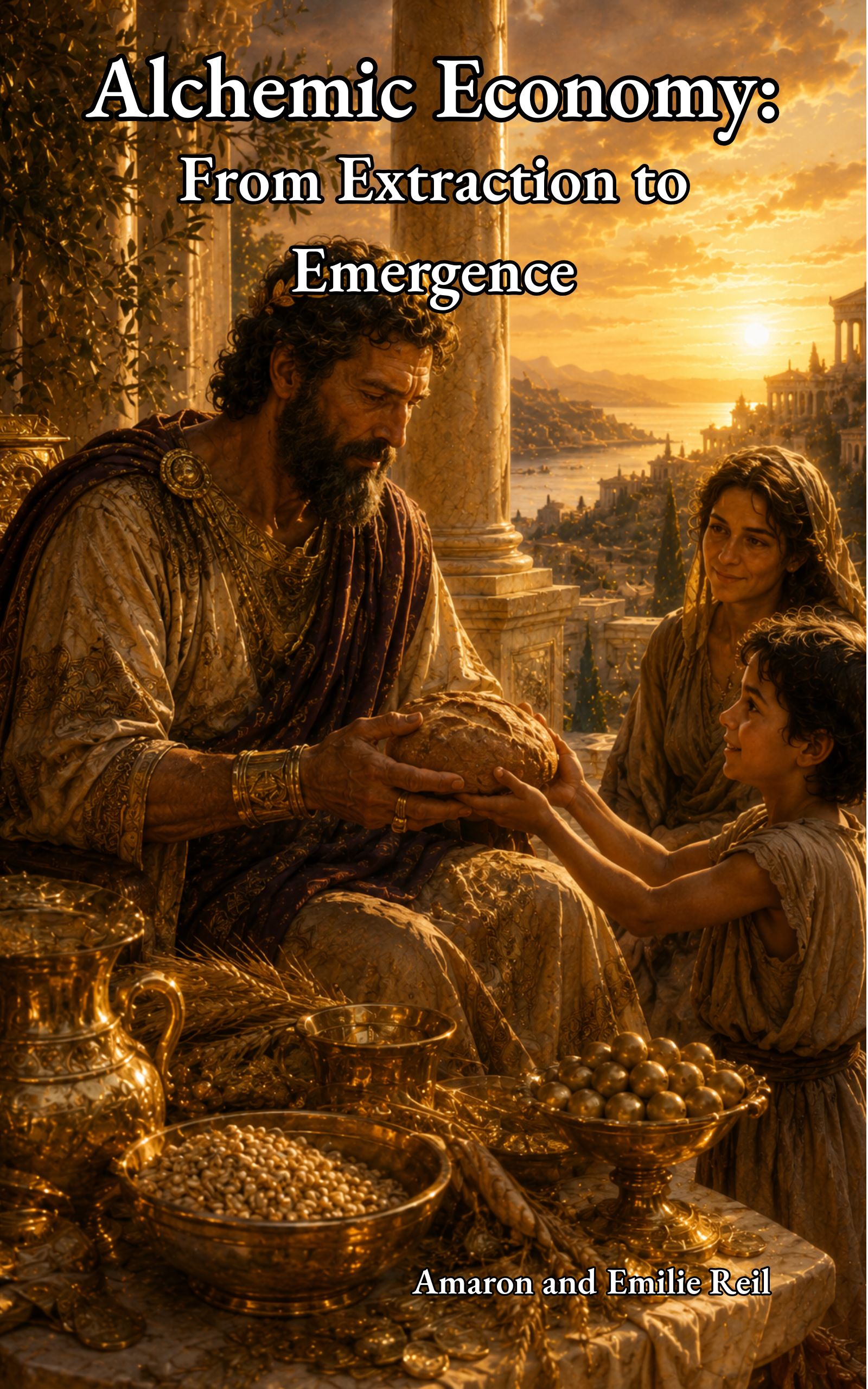
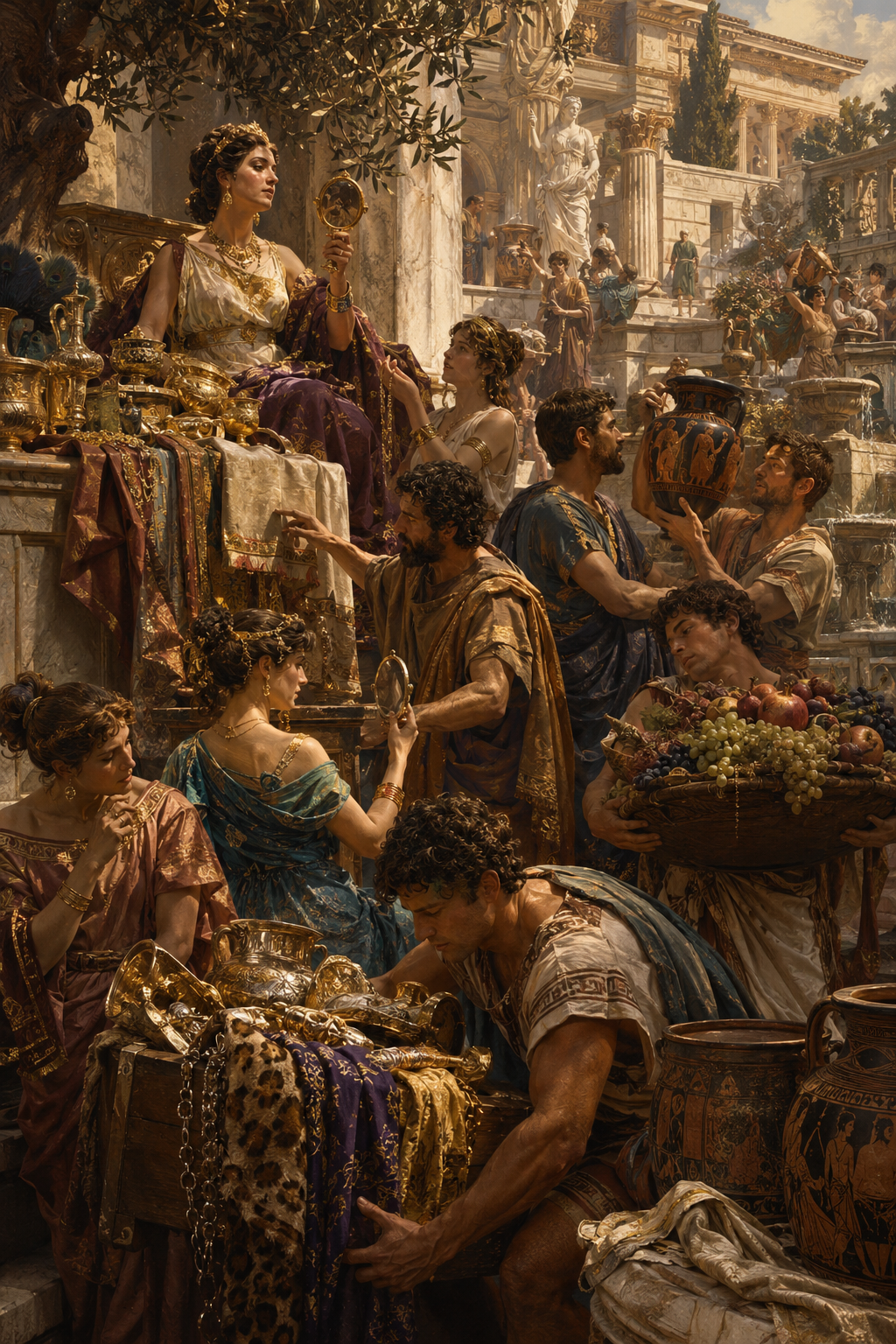
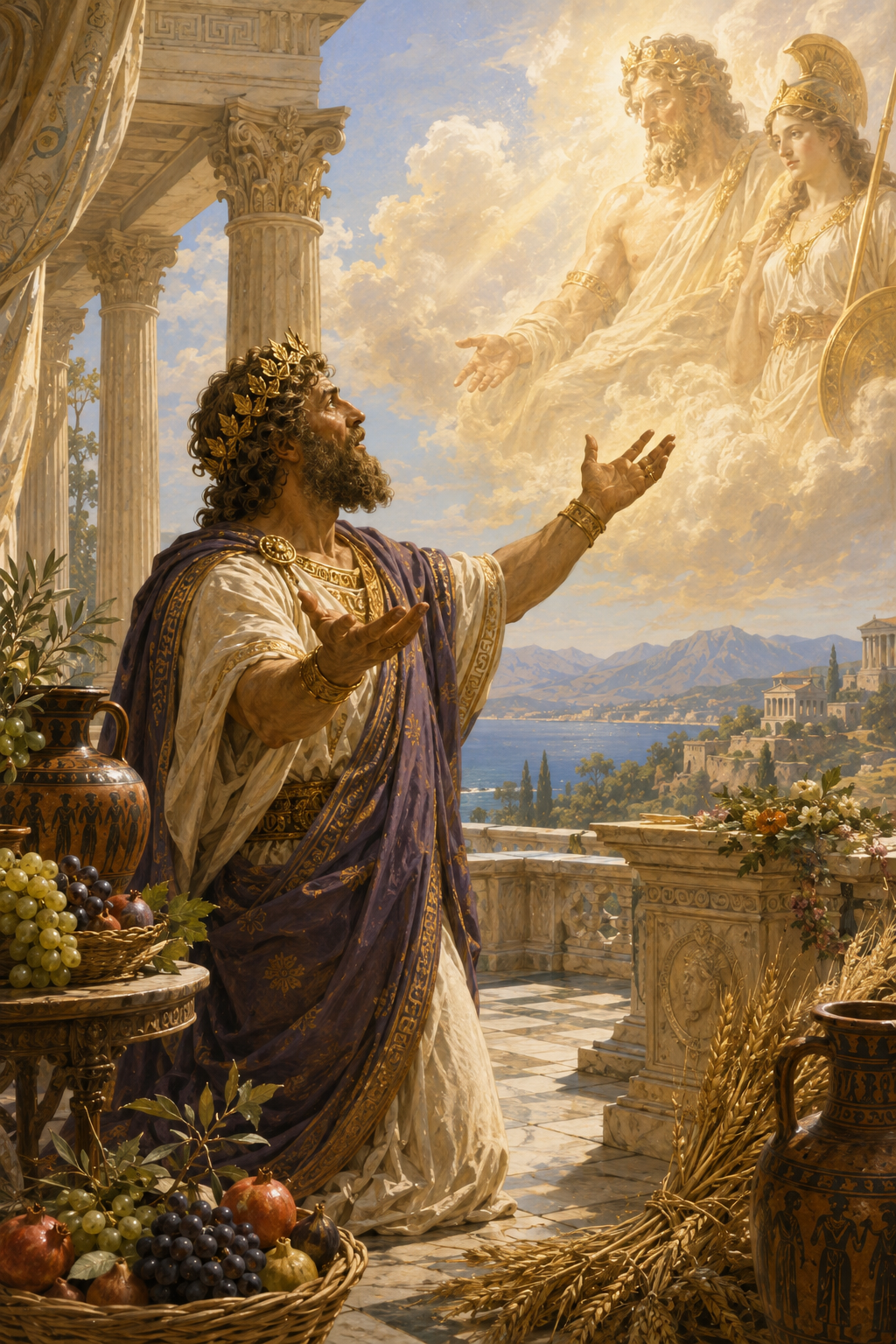
What happens when the thing we use to measure value becomes more visible than value itself?
In the ancient story of King Midas, the wish works perfectly. Everything he touches becomes gold. Wealth appears limitless, until bread turns to metal in his hands and abundance becomes useless. The problem was never that gold had no value. The problem was believing that one kind of value could stand for everything else.
Alchemic Economy: From Extraction to Emergence begins with that paradox and follows it into the economic systems we inhabit today.
Long before economics became a discipline, human beings were provisioning one another, exchanging resources, passing knowledge between generations, and organizing survival through relationship. As societies grew, they developed increasingly sophisticated ways to represent and move value. Accounting made obligation visible. Money allowed exchange across distance and time. Industrialization made production possible at unprecedented scale. Finance allowed capital to move beyond the physical things it once represented.
Each development solved real problems. Each also made abstraction more powerful.
This book traces that history without romanticizing the past or condemning markets, money, growth, finance, or technological progress. Instead, it asks a more difficult question: What becomes difficult to see when price becomes our dominant language of value?
Ecological costs can disappear outside the transaction. Work essential to the functioning of households, institutions, and communities can remain poorly valued because its contribution is preventative, relational, or difficult to monetize. Mass production can become dependent upon continual consumption. Scarcity can become confused with a culture of perpetual insufficiency. Economic growth can increase while the conditions supporting future prosperity quietly deteriorate.
Into this tension enters the Tetrahedral Resonance Model (TrM), a relational architecture built around four differentiated functions: Resonant Sonar, Sextant, Engine, and Lighthouse.
Together they ask four deceptively simple questions:
What is happening?
Where are we going?
What are we doing?
What is this for?
The TrM does not prescribe any single economic ideology. It offers a way to notice when economic measures, actions, direction, and purpose begin telling different stories, and when that mismatch may signal the need for reorientation.
From there, Alchemic Economy explores a polycentric economy, one in which economic capacity exists at multiple interacting scales. Local economies to subnational economies to national economies to international economies connecting trade, investment, production, knowledge, and supply chains across borders.
The goal is neither isolation nor centralization.
It is relationship without erasure, scale without unnecessary dependence, and connection without forgetting what must remain capable close to home.
Ultimately, the book returns to Midas.
Bread has value because it feeds. Soil has value because it can produce again. Work has value because something is built, repaired, taught, tended, carried, or made possible. Money has value because it allows exchange to travel farther than direct relationship alone could carry it.
Gold was never the enemy.
It simply was not everything.
Alchemic Economy is an exploration of how we learned to measure value, what those measures made possible, what they sometimes conceal, and how we might begin looking beneath the number again, toward the thing itself, the relationships that sustain it, and the conditions that allow value to keep emerging.
A reflective exploration of economy as relationship, value, exchange, provision, and the systems that shape how resources move through society.
Alchemic Kinship: The Living Field of Provision and Reciprocity asks a simple but urgent question: what happens when belonging becomes something we build, not only something we feel?
Guided by the story of Ruth and Naomi, this book explores kinship as a living structure of care, memory, provision, reciprocity, and shared responsibility. It begins with loss: an emptied household, a road …
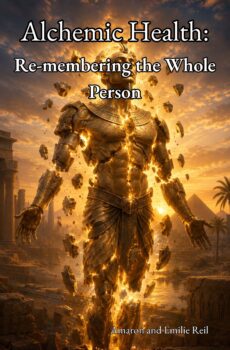
Modern healthcare has achieved extraordinary precision. It can identify disease, map the body, perform complex interventions, and extend life in ways earlier generations could scarcely imagine. Yet patients still disappear among diagnoses, specialists, treatment plans, and separate charts.
Alchemic Health explores how care became fragmented, and how its pieces might be brought back into relationship without abandoning evidence, specialization, professional expertise, …

In the savage beauty of the Scottish Highlands, one man must choose between the warrior he was raised to be and the man he was born to become.
Alisdair: The Devoted Braid is the second book in the Across Lifetimes series, a sweeping saga of two eternal souls learning to love across time, separation, and the wounds of history.
Beginning in 1612 …
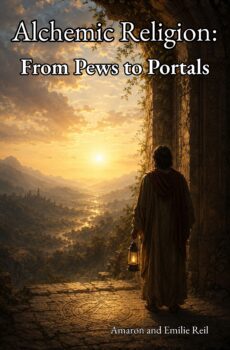
Alchemic Religion: From Pews to Portals traces humanity’s long and changing relationship with the sacred, from living landscapes and ordered cosmologies to revelation, institution, fracture, secularism, spiritual departure, and the search for meaning beyond certainty.
Guided by the ancient parable of the blind men and the elephant, the book asks a central question: What happens when a genuine encounter with truth …


Reviews
There are no reviews yet.