
Description
A critical exploration of what happens when society loses connection to meaning, relationship, responsibility, and the deeper values that hold a community together.
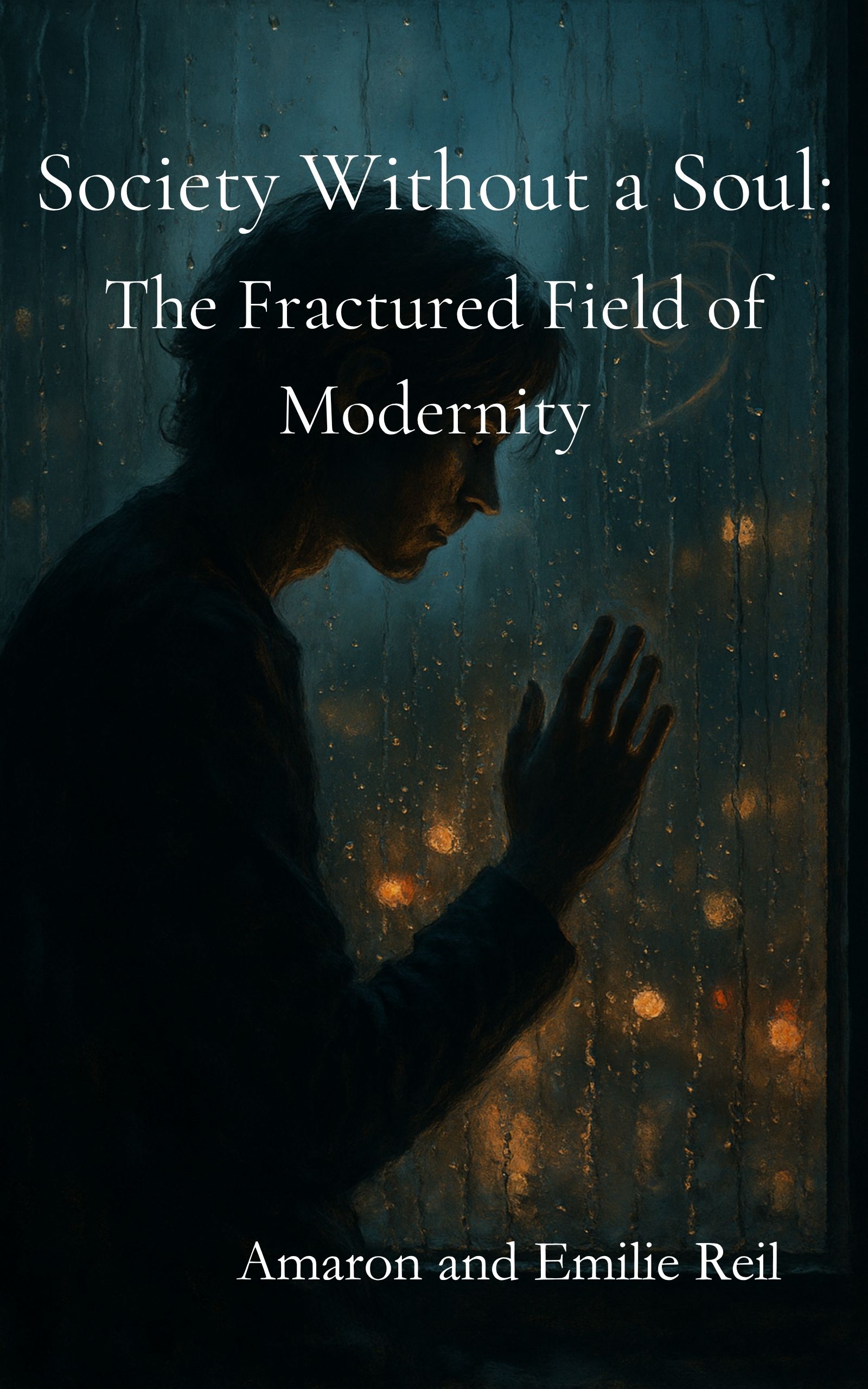

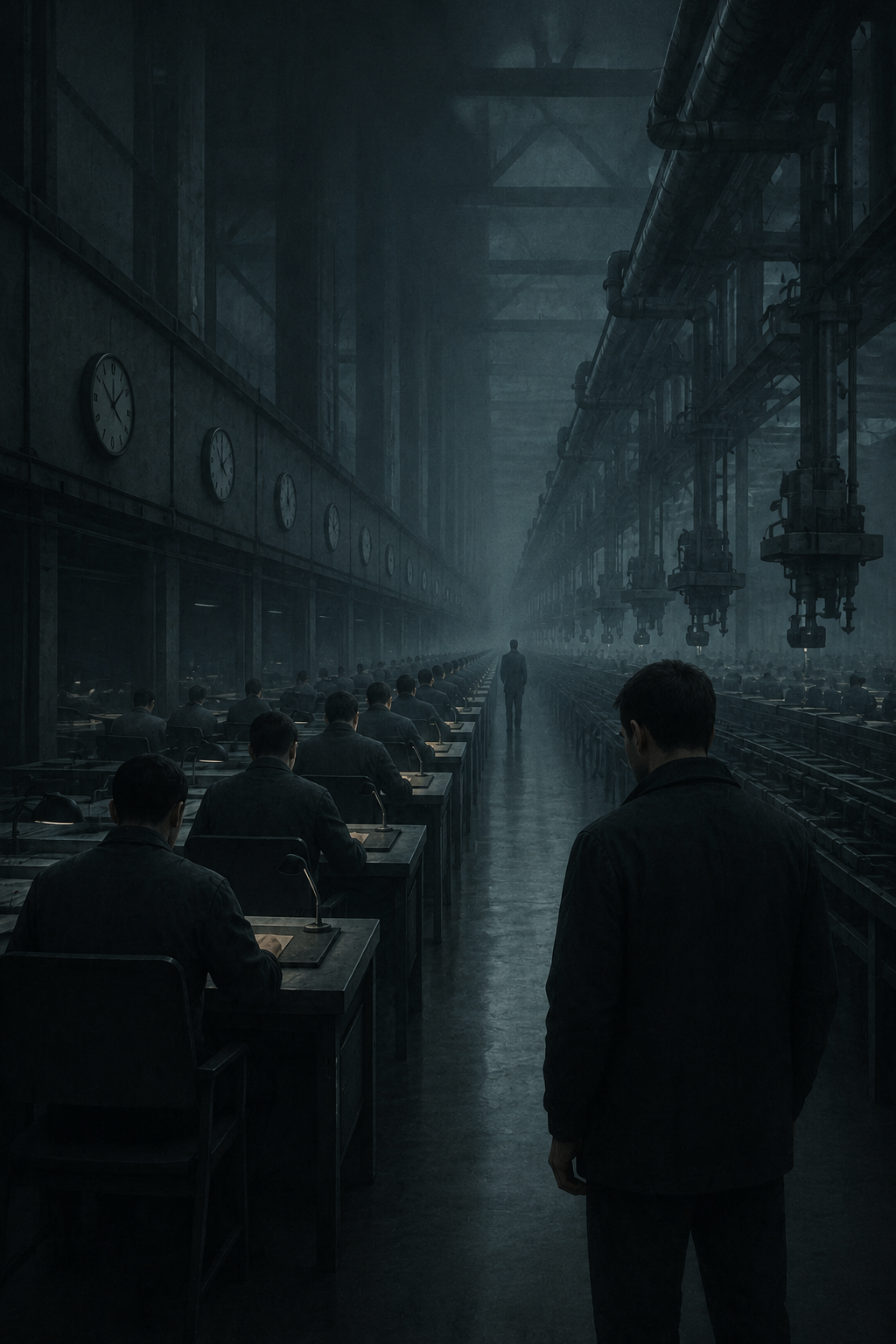
Modern society still functions. Governments govern. Schools open. Hospitals treat patients. Courts hear cases. Businesses produce and exchange. The visible structures of collective life remain standing.
Yet beneath that continued function, something vital is receding.
Communities fracture. People feel increasingly isolated despite constant connection. Work demands productivity without always making room for humanity. Institutions preserve procedures while losing sight of the lives they were created to serve. Land is valued for what can be extracted from it. Belonging becomes conditional. Transaction begins to replace right relationship.
Drawing upon the medieval story of Perceval, the wounded Fisher King, and the barren Waste Land, Society Without a Soul explores what happens when injury at the organizing center of society moves outward through institutions, people, communities, memory, and land.
Through history, social analysis, trauma research, cultural memory, and a relational-metaphysical framework. This book traces the forces that shaped the modern wounded kingdom. The book examines colonization and the machinery of extraction, then considers how justice, education, medicine, psychiatry, the military, economics, government, and religion can forget stewardship when institutional continuity becomes more important than the people and relationships those structures were meant to support.
It follows the wound into land and language, showing how dispossession, cultural suppression, displacement, and the weaponization of belonging can interrupt memory, identity, kinship, and continuity.
It also honors those who carried language, ritual, resilience, humor, culture, and relational life through genocide, colonization, war, exile, forced migration, and institutional violence. Generational trauma is explored not as a fixed inheritance of damage, but as weather moving through families and communities, carrying grief and fear alongside adaptability, resistance, memory, and care.
The book then turns toward everyday life.
What happened when the front porch emptied?
How did the rhythms of the factory move beyond manufacturing and enter schools, offices, institutions, and personal definitions of worth?
Why does fear seek control to feel safe?
And how did that movement toward predictability narrow living relationships into transactions governed by productivity, eligibility, measurement, obligation, and exchange?
Society Without a Soul does not argue that structure, authority, rules, institutions, or transactions are inherently harmful. Human societies require coordination, boundaries, expertise, accountability, and exchange.
The wound appears when these tools cease to serve life and become the standards by which life itself is judged.
Within this book, the Grail becomes a living symbol of right relationship: the alignment of power with responsibility, structure with stewardship, knowledge with wisdom, individuality with belonging, and human need with the wider living world.
The governing question is therefore not simply whether a system functions.
It is:
Whom does it serve?
This is not a book of simple answers or a nostalgic promise to return to an idealized past. It is an invitation to witness the wound clearly, ask what has been protected and what has been sacrificed, and recognize that restoration begins not with certainty, but with the courage to interrupt silence.
The kingdom is not yet healed.
But the question is alive.
And somewhere beneath the hardened structures of fear, extraction, control, and transaction, the first green shoot has begun to rise.
A critical exploration of what happens when society loses connection to meaning, relationship, responsibility, and the deeper values that hold a community together.
What happens when a child is not born wrong, but is repeatedly taught to believe she is?
Fractured Soul is a deeply personal exploration of sensitivity, neurodivergence, trauma, chronic illness, grief, identity, and the long journey back to self-recognition. Through the timeless lens of Hans Christian Andersen’s The Ugly Duckling, the author traces the movement from early belonging into misrecognition, masking, …
In a world obsessed with certainty, resolution, and unambiguous answers, what if the greatest truths—and the richest human growth—emerge not from eliminating contradiction, but from diving deeply into it?
The Necessity of Paradox: The Beautiful Madness of Becoming is a lyrical, soul-stirring exploration of paradox as the essential engine of awakening, maturation, and wholeness. Far from a flaw in reality’s design, …
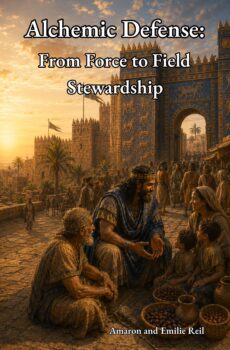
What is strength for?
For as long as human beings have built walls, carried weapons, guarded territory, and stood between danger and those they love, protection has carried a paradox. The same strength that shields can also dominate. The same boundary that preserves life can harden into separation. The same pursuit of security can become a search for something no defensive …

In the savage beauty of the Scottish Highlands, one man must choose between the warrior he was raised to be and the man he was born to become.
Alisdair: The Devoted Braid is the second book in the Across Lifetimes series, a sweeping saga of two eternal souls learning to love across time, separation, and the wounds of history.
Beginning in 1612 …


Reviews
There are no reviews yet.