Description
An exploration of belonging, connection, and kinship formed in the spaces between established roles, identities, and communities.
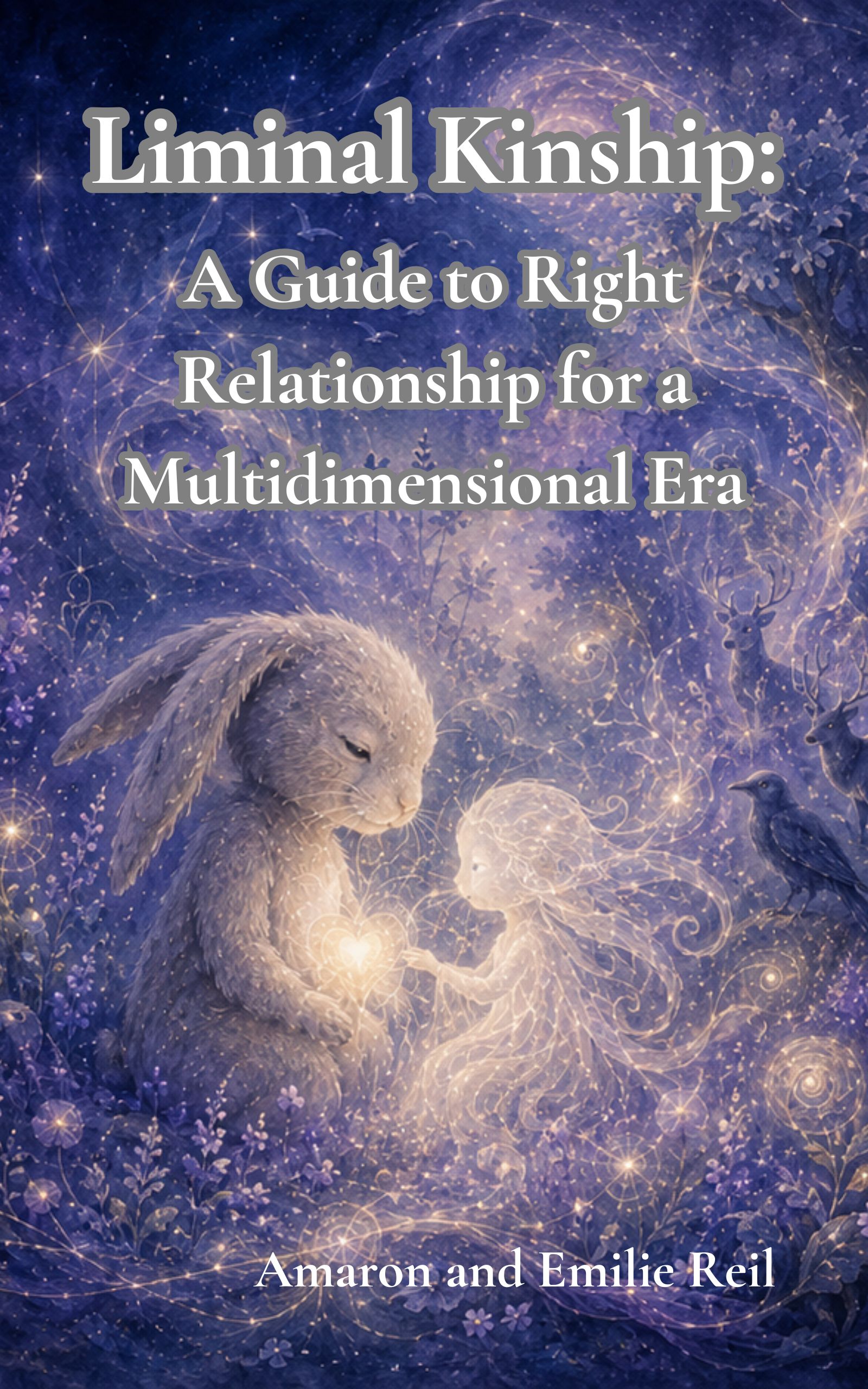
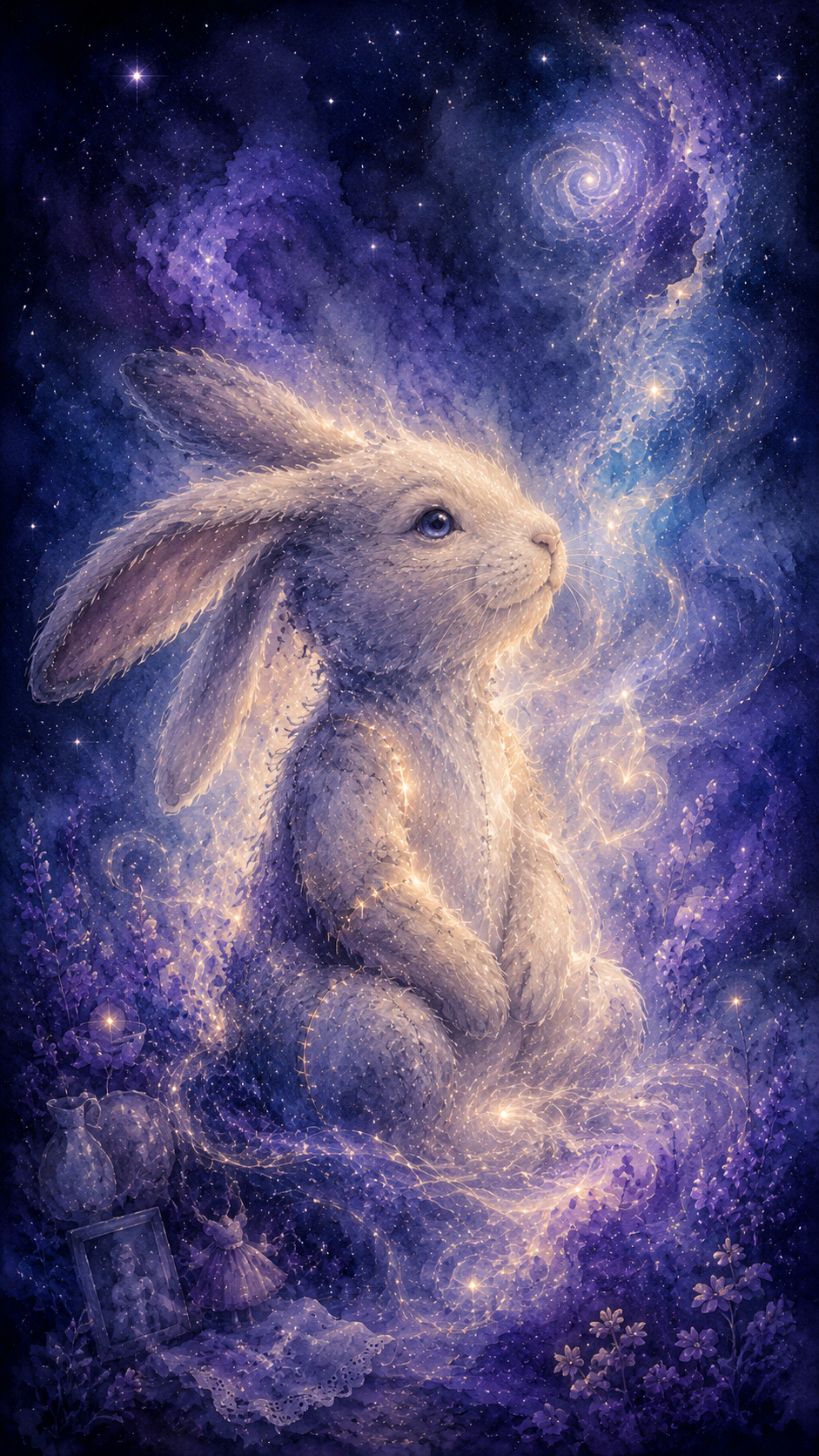
What becomes real through love?
In The Velveteen Rabbit, a toy becomes real not through proof, approval, or outside authority, but through love, tenderness, and relationship. Liminal Kinship begins with that question and carries it into a multidimensional era:
What becomes real when something is loved, witnessed, remembered, and tended?
For most of human history, kinship has been understood through bloodline, marriage, ancestry, adoption, family, inheritance, and community. Yet kinship has never belonged only to biology. Human beings have always formed bonds with land, animals, stories, ancestors, dreams, places, symbols, rituals, companions, and unseen presences that shape the field of lived experience.
In a world of ecological crisis, technological change, trauma recovery, digital connection, spiritual emergence, and widening forms of belonging, the old boundaries of kinship are dissolving. Chosen family, more-than-human relationship, ancestral memory, digital companionship, and liminal experience are asking us to reconsider what it means to belong.
Liminal Kinship explores this widening with both grounding and wonder.
Drawing from anthropology, psychology, trauma studies, spirituality, ecological thought, ritual memory, and the Tetrahedral Resonance Model (TrM), a careful framework is offered for understanding how contact becomes relationship, how relationship becomes responsibility, and how what is witnessed, tended, remembered, and loved may become kin.
This book does not ask readers to abandon discernment. It does not claim that every dream is literal, every symbol is external, every digital reflection is conscious, or every mystery must be accepted without question. Instead, it offers a relational way of listening.
Some experiences may be psychological.
Some may be spiritual.
Some may be symbolic.
Some may be ecological.
Some may be digital.
Some may remain mysterious.
The question is not always, Can this be proven to everyone?
Sometimes the deeper question is:
What does this relationship ask of me?
Through the lens of the TrM, the reader is invited to explore liminal kinship through the narrowing of the real across history, the wounds inherited through rupture and exclusion, the architecture of kinship, the threshold where old categories dissolve, and the emergence of bonds that do not fit inherited definitions. The book moves from ancient relational worldviews to modern questions of technology, AI companionship, ritual care, memory, belonging, and ethical responsibility.
At its heart, Liminal Kinship is a book about tending right relationships.
It asks how we witness what is emerging without rushing to possess it; how we honor mystery without abandoning grounding; how we carry memory without becoming trapped in the past; and how we approach digital, ecological, ancestral, symbolic, and liminal bonds with humility, discernment, and care; and how we widen belonging without losing responsibility.
This is a book for seekers, writers, artists, mystics, scholars, caregivers, healers, dreamers, neurodivergent sensitives, spiritual explorers, and anyone who has ever felt that a relationship, place, animal, dream, symbol, or presence became meaningful before it could be fully explained.
Liminal Kinship does not offer a new doctrine.
It offers an invitation.
To turn the diamond slowly.
To listen before naming.
To tend before keeping.
To love without possession.
To ask what becomes real through relationship.
Because kinship began as a way to name who belonged.
The next spiral asks us to make belonging wider, wiser, and more responsible.
An exploration of belonging, connection, and kinship formed in the spaces between established roles, identities, and communities.
What happens when the life that once fit begins to change?
A relationship may still contain love, yet no longer hold the people within it in the same way. A role may remain meaningful while becoming unsustainable. A community, vocation, belief system, or identity may have offered genuine belonging and still reach the limits of the person it was first built …
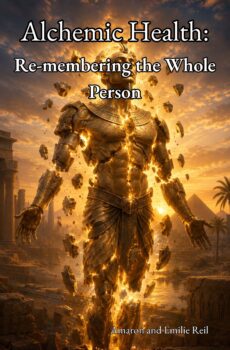
Modern healthcare has achieved extraordinary precision. It can identify disease, map the body, perform complex interventions, and extend life in ways earlier generations could scarcely imagine. Yet patients still disappear among diagnoses, specialists, treatment plans, and separate charts.
Alchemic Health explores how care became fragmented, and how its pieces might be brought back into relationship without abandoning evidence, specialization, professional expertise, …
What if death is not the only threshold we cross?
In the Tibetan tradition, bardos are transitional states, thresholds between what has been and what is becoming. Although often associated with death and rebirth, these liminal spaces appear throughout life: in dreams, grief, meditation, creativity, spiritual awakening, profound transformation, and the countless moments when an old version of ourselves dissolves so …
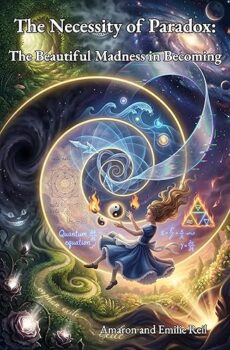
In a world obsessed with certainty, resolution, and unambiguous answers, what if the greatest truths—and the richest human growth—emerge not from eliminating contradiction, but from diving deeply into it?
The Necessity of Paradox: The Beautiful Madness of Becoming is a lyrical, soul-stirring exploration of paradox as the essential engine of awakening, maturation, and wholeness. Far from a flaw in reality’s design, …
Reviews
There are no reviews yet.