Soap, a staple in our daily routines, has a rich history that dates back thousands of years. Its evolution from a rudimentary cleansing agent to a luxurious skincare product is a testament to human ingenuity and the development of chemistry. Let’s explore the intriguing journey of soap making through the ages.
Ancient Beginnings
The earliest evidence of soap making dates back to around 2800 BC in ancient Babylon. Archaeologists discovered clay cylinders with inscriptions detailing the process of boiling fats with ashes. This primitive form of soap was likely used for cleaning wool and cotton in textile production rather than for personal hygiene.
In ancient Egypt, soap-like substances were made from animal and vegetable oils combined with alkaline salts. The Egyptians were meticulous about cleanliness and used these early soaps in their bathing rituals, which they considered crucial for good health and spiritual purity.
The Roman Influence
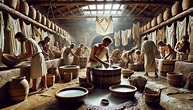
The word “soap” is believed to have originated from Mount Sapo, a mythological location in ancient Rome where animal sacrifices were performed. According to Roman legend, rainwater washed down the mountain, combining with animal fat and wood ashes from sacrificial fires to create a rudimentary soap in the Tiber River.
Romans refined the soapmaking process, using it for personal hygiene and medicinal purposes. However, with the fall of the Roman Empire, much of this knowledge was lost in Europe.
The Middle Ages and the Renaissance
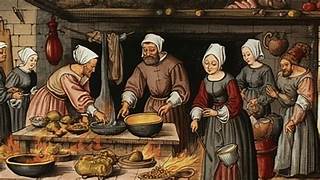
During the Middle Ages, soap making was revived in Italy and Spain, where olive oil was abundant. These regions became renowned for their high-quality soaps. In medieval England, soap making was a labor-intensive trade, often controlled by guilds that guarded their methods closely.
The 16th and 17th centuries saw significant advances in soapmaking techniques. The discovery of new oils and the development of better production methods allowed soap to become more accessible. During the Renaissance, perfumed soaps became popular among the European elite.
The Industrial Revolution
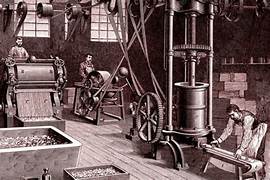
The Industrial Revolution in the 18th century marked a turning point in the history of soap making. The invention of the LeBlanc process, which produced soda ash from salt, revolutionized the industry by making the alkali needed for soap production more readily available. This development allowed soap to be produced on a larger scale and at a lower cost.
In 1865, the Belgian chemist Ernest Solvay further improved the process, making soap even more affordable and widespread. This period also saw the emergence of some of the first branded soaps, such as Pears’ soap, which was marketed as a luxury item.
Modern Soap making
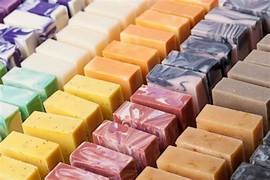
Today, soap making is a blend of art and science. The use of synthetic detergents, which emerged during World War II, has expanded the variety of soaps available. Modern soaps come in a plethora of forms, including liquid, bar, antibacterial, and moisturizing, catering to diverse needs and preferences.
The artisanal soap making movement has also gained popularity, with many enthusiasts returning to traditional methods, using natural ingredients and essential oils to create unique, handcrafted soaps.
From its humble beginnings in ancient civilizations to its current status as an everyday essential, soap has played a vital role in human history. Its evolution reflects changes in technology, culture, and society’s understanding of hygiene and health. As we continue to innovate and explore new possibilities, the story of soap making remains a testament to human creativity and adaptability.

0 Comments